



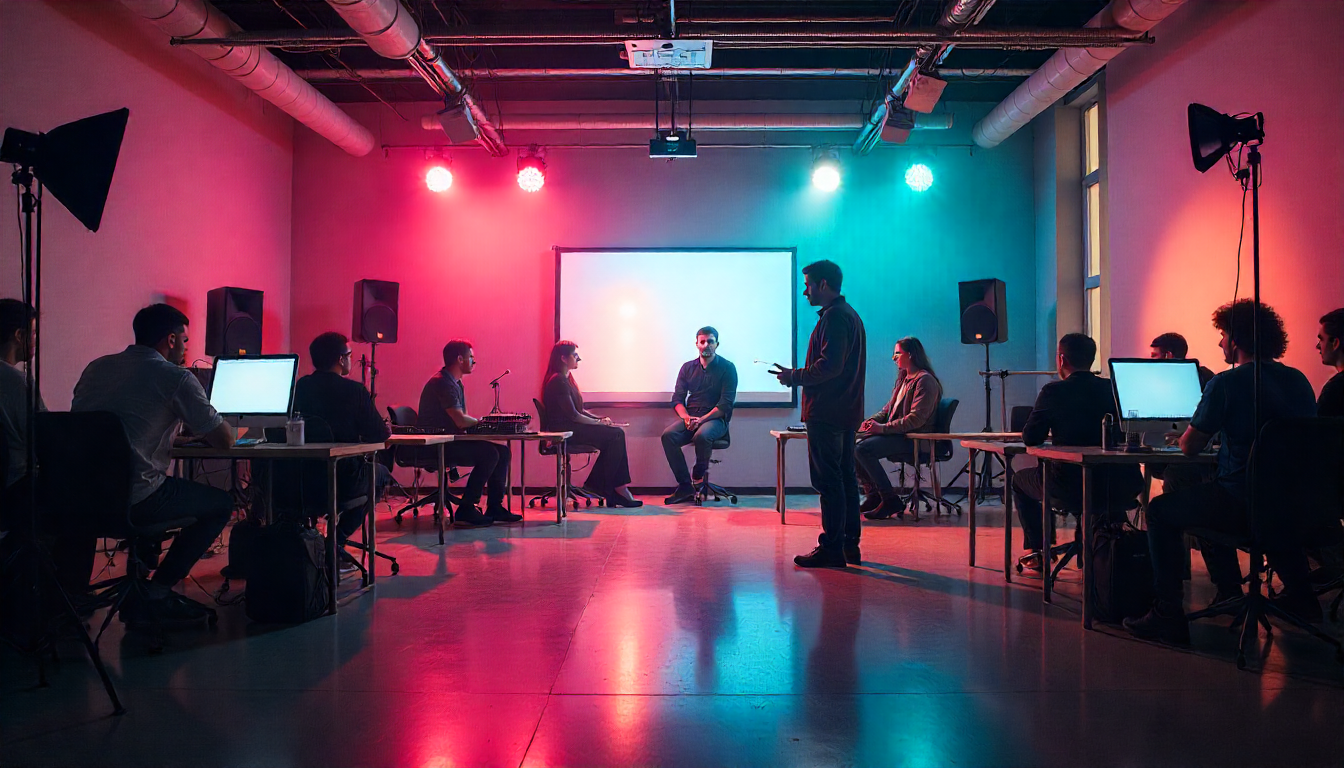
In today’s fast-growing creative industries—film, music, fashion, and design—hands-on training plays a far more significant role than theoretical knowledge. While understanding concepts is important, practical learning through labs, studios, and real-world projects is what truly prepares aspiring professionals to succeed.
The Gap Between Theory and Practice
Reading about filmmaking, music production, or acting can give you an overview of techniques, but it does not replicate the challenges of real work. For example, knowing the steps of editing is different from actually cutting raw footage in a software timeline. Similarly, reading about ramp walk techniques is not the same as practicing on stage in front of an audience. Practical training bridges this gap by allowing students to apply what they learn in a controlled yet realistic environment.
Why Hands-On Training Builds Real-World Skills
1. Learning by Doing
When students record sound in a studio, shoot a scene with a camera, or prepare for a fashion show, they actively experience the process. This creates deeper understanding, builds confidence, and ensures skills become second nature.
2. Problem-Solving in Real Time
The creative world is full of unexpected challenges—technical errors, last-minute changes, or performance anxiety. Hands-on projects teach students how to adapt quickly, make decisions, and find solutions that theory alone can’t provide.
3. Exposure to Industry Tools
From DAWs (Digital Audio Workstations) for music producers to cameras and editing software for filmmakers, hands-on training ensures students become comfortable using the same tools professionals rely on. This makes them job-ready from day one.
4. Collaboration and Teamwork
Creative fields thrive on collaboration. Studio sessions, group projects, or stage rehearsals help students work with peers just like in the industry, building communication and leadership skills that employers value.
5. Portfolio Development
The biggest advantage of hands-on learning is the ability to build a portfolio. Whether it’s a music demo reel, a short film, or a modelling showcase, practical projects give students real content to present to casting directors, studios, or clients.
Examples of Hands-On Training in Creative Courses
- Film & TV Editing Programmes: Students edit real footage using professional software to create short films.
- Music Production Courses: Learners compose original tracks, record vocals, and master audio in studios.
- Fashion Modelling & Grooming: Students practice ramp walks, styling, and professional photo shoots.
- Acting Workshops: Learners rehearse scripts, perform in front of cameras, and experience mock auditions.
Conclusion
In creative industries, practical skills determine success. While theory provides a foundation, it’s the hands-on training—the late nights in editing labs, the rehearsals on stage, the studio recordings—that transforms passion into profession. If you want to succeed in filmmaking, acting, music, or fashion, focus on learning by doing. The more you practice, the closer you get to industry-level expertise.